Wednesday, 12 June 2013

Medieval Fair at Furness Abbey. 10 am - 5 pm 31st August


Community growing......


A guide to watering from Garden Organic

How much watering a plant requires depends on a number of such as; type of soil, rainfall, the effect of wind, the amount of organic material in the soil, whether mulch has been applied etc.


Different soil types hold different amounts of water, with sandy soils holding the least, and heavy clay soils the most. The more water a soil can hold the less often it will need watering.

A good guide is to try to imagine your plant above ground mirrored by the root system below ground. For example a tall plant or well established plant that has an extensive root system will require less water.

Over watering can have  more of a detrimental effect on plants as this may encourage the roots to search in the top few centimetres of the soil only, discouraging roots from searching deeper into the soil.

The requirements for watering vegetables can vary depending on the crop, and growth stage. For example, leafy crops may need regular watering in dry weather, particularly on light soils to encourage leaf growth.

Drought tolerant, once established

Onions, leeks, carrots, beetroot, sprouting broccoli, brussels sprouts, winter cabbage, spring cabbage, winter cauliflower, parsnips, marrows, spinach beet, Jerusalem artichoke, parsnip, radishes, swede, turnips, chicory.

Water after flowering, (only in dry weather) if needed

Peas, beans (runner beans need more water than french beans) and tomatoes

When to water:

Apply directly to the soil either in early morning or evening, when the air and soil are cool (reduces loss to evaporation). Slug susceptible plants (leafy crops etc) should only be watered in the morning though, as slugs are not only nocturnal but will be more active if you wet the soil, thus creating ideal conditions.

Our log cabins new raised planters


Saturday, 8 June 2013

Growing well together


Grow your own tomatoes

Growing your own tomatoes is simple – just a couple of plants will reward you with plenty of sweet-tasting tomatoes in the summer. There are all kinds of tomatoes to try – from the tiniest cherry types that are favourites with children, through to full-flavoured giant beefsteak tomatoes. And tomatoes come in all kinds of colours too – red, of course, but also green and orange, even purple tomatoes or striped tomatoes. Tomato plants can be cordon varieties that need staking and tying in, bush varieties, and there are even tomato plants designed to grow in hanging baskets. 


Tomatoes are very easy to grow from seed. Start them off indoors, using a propagator or place the pots in a plastic bag and keep on the windowsill. You can sow seed from late March to early April if you will be growing the plants outdoors.

The young seedlings need to be kept at 18C (64F). Sow either in seed trays or small pots and transplant into 7.5-9cm (3-3.5in) pots when two true leaves have formed.

Transfer to 23cm (9in) pots, growing bags or plant 45-60cm (18-24in) apart outside when the flowers of the first truss are beginning to open; plants for growing outdoors should be hardened off first.

Tie the main stem to a vertical bamboo cane or wind it up a well-anchored but slack sturdy string. Those grown as bush or hanging basket types do not need support.

Remove the side shoots regularly when they are about 2.5cm (1in) long. Those grown as bush or hanging basket types do not need to have side shoots removed.

Cut off the top of plants, certainly of outdoor ones, when six trusses of fruit set - this helps to focus the plant's energies.

Water little and often, this will encourage steady grow and help to avoid split fruit. Feed every 10-14 days with a balanced liquid fertiliser, changing to a high potash one once the first fruits start to set.

Thursday, 6 June 2013

Urban wildflowers

The site at Lesh Lane, Barrow where Cumbria Wildlife Trust are working with Barrow Borough Council on encouraging wild flowers. Pictures courtesy of our friends at Neighbourhood Management


Croftlands Trust adding new plants to their raised planter


Dog rose among our mixed hedging borders


Poached egg plants in the planters under our arbour


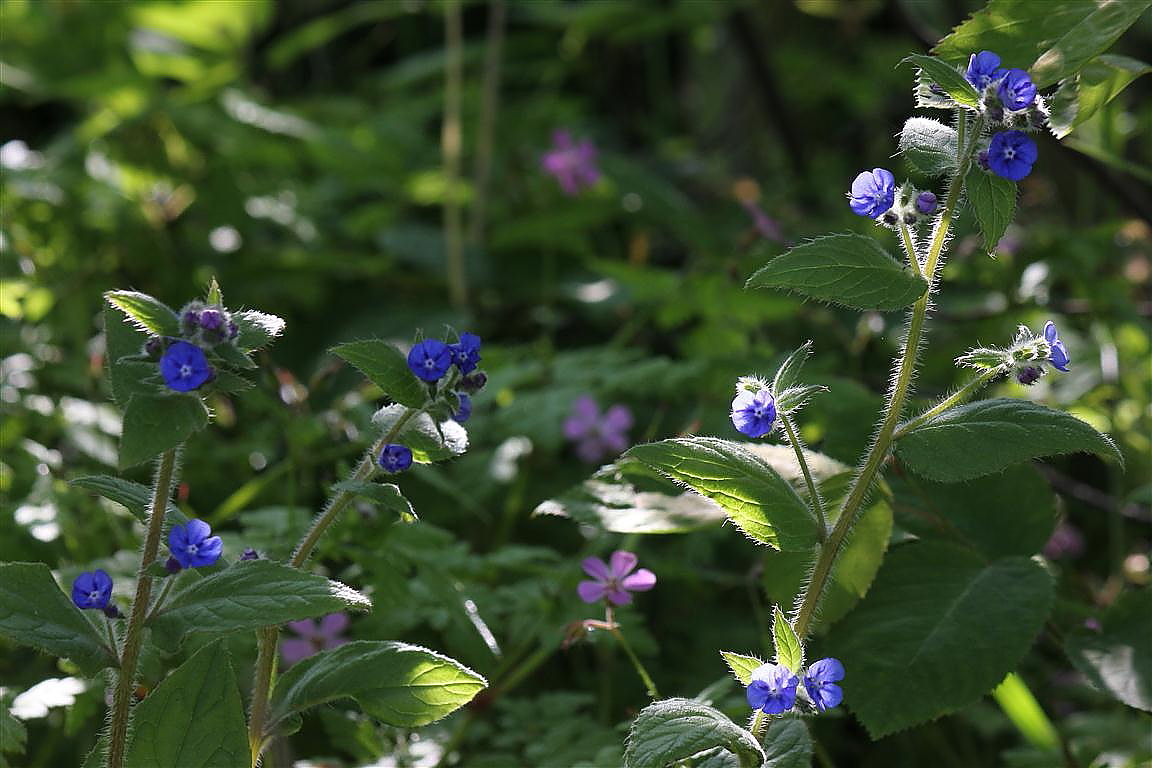
Germander speedwell in the undergrowth


A common blue damselfly (male) enjoying our border planting areas


Foodie Fest Barrow. Saturday 8th and Sunday 9th June


Guided walk around Great Urswick. 1pm, Sunday 9th June


Wednesday, 5 June 2013

Quote for the week.....

"I grow plants for many reasons: to please my eye or to please my soul, to challenge the elements or to challenge my patience, for novelty or for nostalgia, but mostly for the joy in seeing them grow" - David Hobson 


Dingy skipper butterfly on our banking area


A visiting common blue butterfly


meadow management workshop 05.06.2013

Meadow habitat management training workshop  for our valued volunteers, Alex and David. The sessions were facilitated by Cumbria Wildlife Trust Officer Sue Thurley. During the workshop the last remaining dock was removed from the banking before the area was scattered  with native species wildlflower seeds. 


Funding for the training workshops has been provided from a generous grant awarded to the project by People’s Health Trust, using money raised by Healthable Community Interest Company through The Health Lottery.

Preparing for a little lawn maintenance


CADAS tending their raised planter, and they thought to bring the sun with them


Having fun while growing their own food


Tuesday, 4 June 2013

Taking delivery of our new pop up gazebo


Funding to enable the purchase of our new pop up gazebo was provided form a grant awarded to us by The People’s Health Trust using money raised by Healthable Community Interest Company through The Health Lottery.

Ox eye daisy on the banking area